

Want to sell gold in Kigali without guesswork? We help you work out what your gold is worth, connect you with licensed buyers and jewellers, and make sure weighing and testing happen openly, so you can compare offers and decide calmly. We do not buy gold ourselves, which means our only job is helping you get a fair, transparent deal.
What you can sell
- Gold jewellery: rings, chains, bracelets, bangles, earrings and pendants, including broken or single pieces.
- Gold coins: sovereigns, Krugerrands, Maple Leafs and other gold coins.
- Gold bars: small bars from recognised refiners, ideally with packaging or an assay card.
- Scrap gold: dental gold, odd earrings, damaged items and offcuts.
Not sure whether something is gold? Our gold karat guide explains how to read stamps such as 750, 916 and 18KGP, and how to spot plated items before you go anywhere.
How the process works
- Request an offer with the form below: item type, karat if known and approximate weight.
- Check today's price on our gold price in Rwanda page and note the melt value.
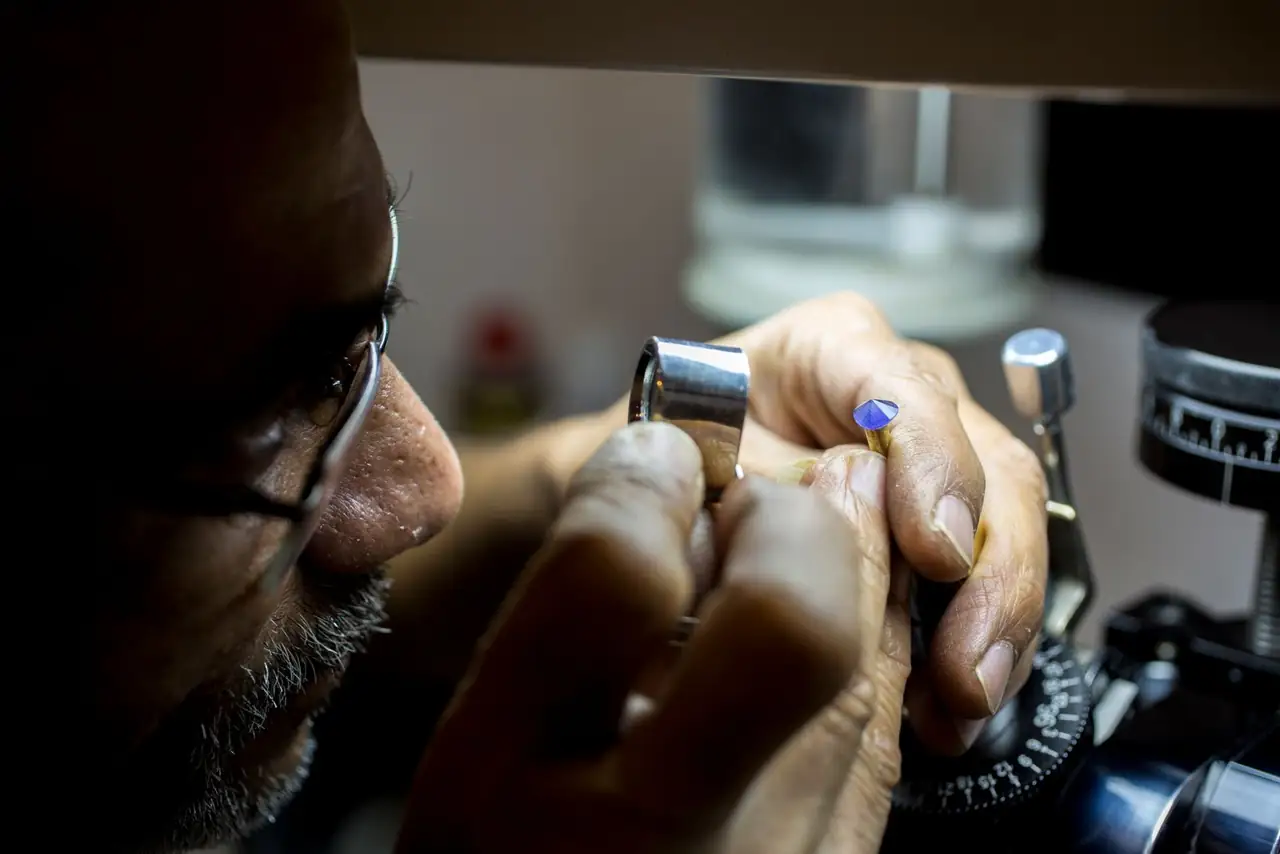
- Weighing and testing in front of you, preferably with an XRF machine, which does not damage the item.
- Written offer showing weight, purity, price per gram and the total.
- Your choice: accept, compare with another buyer, or keep your gold. There is no obligation.
How buyers calculate an offer
Every fair offer starts from the same formula:
Melt value = weight (g) x purity x today's price of pure gold per gram
From that, buyers deduct their costs: testing, refining (most old jewellery is melted down), the risk of the price falling before they sell the gold on, and their margin. The offer is a percentage of melt value. That percentage differs from buyer to buyer and between item types: a clean coin is quick to verify, while a box of mixed scrap with stones needs more work.
Ask every buyer for the breakdown. Divide their offer by your melt value, and you can compare buyers on a like for like basis.
What to bring
| Item | Why it helps |
|---|---|
| National ID or passport | Licensed buyers must identify sellers under Rwanda's anti-money-laundering rules |
| The gold items, cleaned and sorted by type | Faster weighing and testing |
| Receipts or certificates | Proof of karat and ownership, useful for valuable pieces |
| Coin capsules, bar packaging or assay cards | Faster verification of bullion |
| Your own notes of weight and stamps | So you can check the buyer's figures |
| A phone with a calculator | To work out melt value on the spot |
Scam warning signs
Some tricks used by dishonest gold buyers are common worldwide. Walk away if you see any of these:
- No breakdown: the buyer will not tell you the weight, the karat they found or the price per gram.
- Hidden or unchecked scale: the scale is out of your sight, or the reading changes when the buyer touches the item.
- Pressure: "this price is only good today" or "the price is about to crash".
- Your gold leaves your sight: items taken to a back room can be swapped for lower purity metal.
- Destructive testing demanded: claims that the only way to check your gold is to cut or melt it.
- Phone quotes that change: a high figure on the phone that drops sharply once you arrive.
- Strangers on the street or social media offering unusually high prices, especially for meetings in private places.
If you think you have been defrauded, the Rwanda Investigation Bureau (RIB) asks victims to call its toll free line, 166, or visit the nearest RIB station.
Safety tips when selling
- Meet at a business premises during working hours, not at home or in a car.
- Bring someone with you for larger amounts.
- Do not carry everything at once: take one or two items for a first quote if you are unsure.
- Prefer bank transfer or mobile money for larger amounts, so there is a record and you are not carrying cash across the city.
- Get the offer in writing and keep a copy.
- Photograph your items and their stamps before you leave home.
Whether you live in Kicukiro, Remera, Kimironko or Nyamirambo, the same rules apply: openness, a visible scale and a written breakdown.
Gemstones and plated items
Keep pieces with diamonds or gemstones separate. Stones are not gold, and a buyer should either remove them or deduct their weight before valuing the metal. Small chips usually add nothing to a scrap offer, while larger diamonds or good gemstones may be worth valuing separately. If a stone means something to you, have a jeweller remove it first.
Gold plated items marked GP, HGE or GF have little scrap value. Better to know this before you go than to be disappointed at the counter.
What we cannot help with
We do not buy, sell or broker raw or unrefined gold from mining. In Rwanda, mineral trade is regulated by the Rwanda Mines, Petroleum and Gas Board (RMB) and requires a mineral trading licence. We work only with finished gold owned by individuals: jewellery, coins, bars and scrap.
Request your offer
Ready to find out what your gold is really worth? Fill in the form below with your items, karat and approximate weight. We will help you get transparent, written offers from licensed buyers and jewellers in Kigali, so you can compare them and choose. Prefer Kinyarwanda? Visit igiciro cya zahabu, or return to the home page for the live price.
Frequently asked questions
What do I need to bring?
Your gold items and a valid national ID or passport. Receipts, certificates, coin packaging or bar assay cards help buyers verify faster and can improve the offer, but they are not always required. A note of the weight and karat stamps you found at home is also useful.
Will my jewellery be damaged by testing?
XRF testing is non-destructive and leaves no mark. An acid test needs a small scratch on a touchstone, which can leave a faint mark on the piece. Ask which method will be used before testing starts, and say no if you are not comfortable.
Can I sell gold from a mine?
No. We only help with jewellery, coins, bars and scrap. Raw or unrefined mined gold must be sold through mineral traders licensed by the Rwanda Mines, Petroleum and Gas Board.
Do you buy the gold yourselves?
No. We do not buy or sell gold. We help you understand what your gold is worth, connect you with licensed buyers and jewellers in Kigali, and help you compare their offers so you can choose the one that suits you.
Why does the buyer ask for my ID?
Under Rwanda's anti-money-laundering law, dealers in precious metals are reporting entities and must keep records and report large cash transactions, from RWF 15 million upward. Checking identity is part of that duty. A buyer who asks no questions at all is a warning sign, not a convenience.
How long does selling take?
Weighing and an XRF test are quick. Most of the time goes into comparing offers. For a single small piece you may decide the same day; for a jewellery box or coins it is worth taking a day or two to compare.
Can I sell broken or single earrings?
Yes. Broken chains, single earrings, bent rings and old dental gold are all valued on their gold content. Condition matters only when a piece could be resold as jewellery, which is rare for damaged items.